The Shirt-Dress
The shirt-dress arrives as a whole outfit on a single hanger, which is its quiet genius. Here is how to spot a good one and wear it so it works as hard as you do.
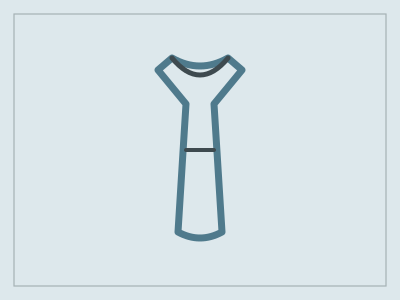
The shirt-dress is a shirt that kept going. It carries a collar, a row of buttons and proper cuffs, then continues past the hip to the knee or below, so that getting dressed becomes one decision instead of five. On a morning when choosing clothes feels like a chore too many, this is the piece you pull on and simply walk out in.
Why it earns its hanger
Its real strength is range. Draw the waist in and the shirt-dress reads considered and tidy; leave it loose and it turns soft and unhurried. The same dress can carry a full working day and a slow one at home, which is exactly what you want from a single length of cloth.
It also asks very little of the rest of your wardrobe. Flat shoes or a low boot, a bag over the shoulder, and you are dressed. Nothing else has to match, because the dress is already a complete thought.
The details that decide a good one
Not every shirt-dress is a keeper, and the difference hides in a few small places. Look at these before anything else:
- The shoulder seam sits where your shoulder ends, not partway down your arm
- The buttons hold flat across the chest without straining into gaps
- The waist can be defined, whether by a belt, a tie or a gentle gather
- The hem lands somewhere steady on the leg, not at the widest part of the calf
- The fabric has a little weight, so it hangs rather than clings
If a dress fails on the shoulders or the button line, walk on. Those are the hardest things to fix and the first things the eye notices.
Two smaller details reward a second look. Sleeves that end at the wrist or just below the elbow both sit well, but a length that stops halfway down the forearm tends to cut the arm at an awkward point, so either push it up on purpose or choose a cleaner cut. And pockets set into the side seam, rather than patched onto the front, keep the line smooth and give your hands somewhere easy to go when you are standing and talking.
Getting the waist right
The waist is where a shirt-dress is won or lost. A straight, unbroken column can look like a nightgown that wandered out of the bedroom; a defined middle turns the same cloth into an outfit. You do not need it cinched tight. A soft belt sitting where your body naturally narrows, or the dress's own tie knotted a touch loose, is plenty.
A shirt-dress with no waist is a sheet with buttons. Give it a middle and it becomes a dress.
If the belt that came with it feels flimsy, swap in a wider one in a plain leather. Tuck the loose ends behind the belt rather than letting them dangle, and the whole thing looks deliberate.
Three ways to wear it
The first way is the obvious one: worn closed as a dress, belted, with a boot or a flat. Clean and quick.
The second is as a layer. Leave it open over slim trousers and a plain top, and the shirt-dress becomes a long, easy overshirt. This is a good move on cooler days, and it stretches one garment into two looks.
The third is half-open. Button it from the waist down and leave the top few undone over a vest or a fine knit, so the collar frames the neck and the dress does the rest. Small changes, genuinely different results.
Fabric and colour that go the distance
For a dress you will reach for often, choose a fabric that recovers from a day of sitting and moving without a map of creases. A cotton with a little body, a soft twill, or a fine wool blend all behave well. Very crisp cottons look sharp on the hanger and crumple by mid-morning; very thin ones show every line beneath.
On colour, a plain mid-tone or a quiet stripe will partner with the shoes and coats you already own. A bold print is lovely but louder, and you will notice it more often in photographs and remember wearing it, which shortens its life in the rotation.
Caring for it so it lasts
Because you will wear it hard, treat it gently in return. Hang it on a shaped hanger so the shoulders keep their line, do up the top button to hold the collar, and press the collar and cuffs when they need it rather than ironing the whole thing flat. Rotate it with one or two others so no single dress carries every busy day.
Do this and the shirt-dress becomes the most reliable thing you own: a garment that thinks for you, on exactly the mornings when you would rather not think at all.